Inside Premier League: A 2026 Fixture Audit
Premier League fixtures 2026 refers primarily to the 2026–27 English top-flight schedule, not a fully confirmed calendar available today. The Premier League is England’s 20-club competition, with each...

Inside Premier League: A 2026 Fixture Audit
Premier League fixtures 2026 refers primarily to the 2026–27 English top-flight schedule, not a fully confirmed calendar available today. The Premier League is England’s 20-club competition, with each team scheduled to play 38 league matches, creating 380 fixtures across the season. The 2026 FIFA World Cup, hosted by the United States, Canada, and Mexico from June 11 to July 19, 2026, is the major planning factor before the domestic campaign begins. The official 2026–27 fixture list is expected to be published by the Premier League rather than inferred from ESPN, Wikipedia, or unofficial social posts. Match Daily tracks the schedule, team form, tactics, player statistics, and World Cup developments for fans comparing dates and betting angles. Check the official release first, then verify kickoff times, broadcast changes, international breaks, and postponements before planning travel or placing any wager.

Photo by Huy Phan on Pexels
Before 2025: how Premier League fixtures worked
Before 2025, Premier League fixtures were built around a familiar 38-match structure, with 19 home games and 19 away games for every club. The schedule normally ran from August through May, while the Premier League, Football Association, UEFA, broadcasters, and local authorities coordinated the practical details.
The important correction is simple: a published fixture date was not always a guaranteed kickoff time. A match might initially appear on a Saturday at 3:00 p.m. in the United Kingdom, then move to Friday, Sunday, or Monday because of television selection, FA Cup participation, UEFA Champions League commitments, policing requirements, or stadium availability. The Premier League official website is therefore more reliable than a static screenshot or copied spreadsheet.
Historically, clubs also managed several predictable constraints:
- A normal league season contains 380 matches.
- Each club plays 38 matches against 19 opponents.
- The traditional English Saturday blackout restricts live television coverage at 3:00 p.m. in the United Kingdom.
- European competition can create Thursday-to-Sunday or Wednesday-to-Saturday scheduling pressure.
- FA Cup and EFL Cup progress can force rearrangements.
- International breaks interrupt the domestic calendar several times each season.
For readers comparing betting opportunities, the useful point is not merely knowing who plays whom. It is identifying whether a fixture is stable, whether the team has played within the previous 72 hours, and whether key players are returning from international duty. Match Daily’s [Internal Link: Premier League match prediction guide] can sit beside the calendar because schedule context often explains price movement better than league position alone.
Why did fixture dates move so often?
Fixture dates moved because the original league list was only the starting framework; broadcasters, cup competitions, UEFA matches, international windows, and stadium operations could all alter the final kickoff. A listed weekend date should be treated as provisional until the Premier League confirms the time and television selection.
The cost of ignoring this is larger than most casual supporters realise. A train booked for Saturday may become useless when a match moves to Sunday, while a bettor who evaluates a team on a six-day rest cycle may accidentally analyse a three-day turnaround. In a sample of 20 hypothetical scheduling decisions, even a 10% change rate would affect two planned matchdays, enough to disrupt travel budgets and accumulator assumptions.
A practical workflow is more efficient:
- Save the club’s full fixture list when released.
- Mark every FA Cup, EFL Cup, and UEFA date in a separate calendar.
- Recheck the official Premier League page after broadcast selections.
- Review injury news 48 to 72 hours before kickoff.
- Compare rest days rather than relying on the table alone.
That is basic work, but you keep skipping it and then blaming “surprise” results, somehow.
How does the 2026 shift affect the Premier League fixture list?
The 2026 shift is the FIFA World Cup schedule, which occupies June and July and places unusual logistical pressure on the 2026–27 domestic season. The World Cup does not automatically cancel Premier League matches, because the 2025–26 Premier League season should finish before the tournament, but it can compress summer preparation, transfer activity, player recovery, and preseason planning.
According to FIFA’s official World Cup 2026 information, the tournament begins on June 11, 2026, and expands the competitive environment to 48 national teams. The 2026 World Cup Wikipedia overview records the 39-day tournament window and the involvement of 16 host cities across North America. Those dates matter to Premier League supporters because players from England, France, Spain, Brazil, Argentina, Germany, Portugal, and other nations may face a shorter recovery period before club preparations resume.
A likely effect is not one dramatic calendar rule but several smaller pressures:
- Clubs may use different preseason start dates for World Cup players and non-participants.
- Transfer negotiations may accelerate for squads with international absences.
- Managers may rotate more heavily during the opening six to eight league rounds.
- European qualification and playoff dates may interact with domestic fixtures.
- Broadcasters may prioritise high-value matches early in the season.
- Travel and recovery data may become more relevant than historical head-to-head records.
This is where Match Daily has a useful angle: the Premier League schedule should be read alongside World Cup minutes, player workloads, and club depth. A team with six international starters is not automatically weaker, but its early-season availability may be less predictable than a club with two.
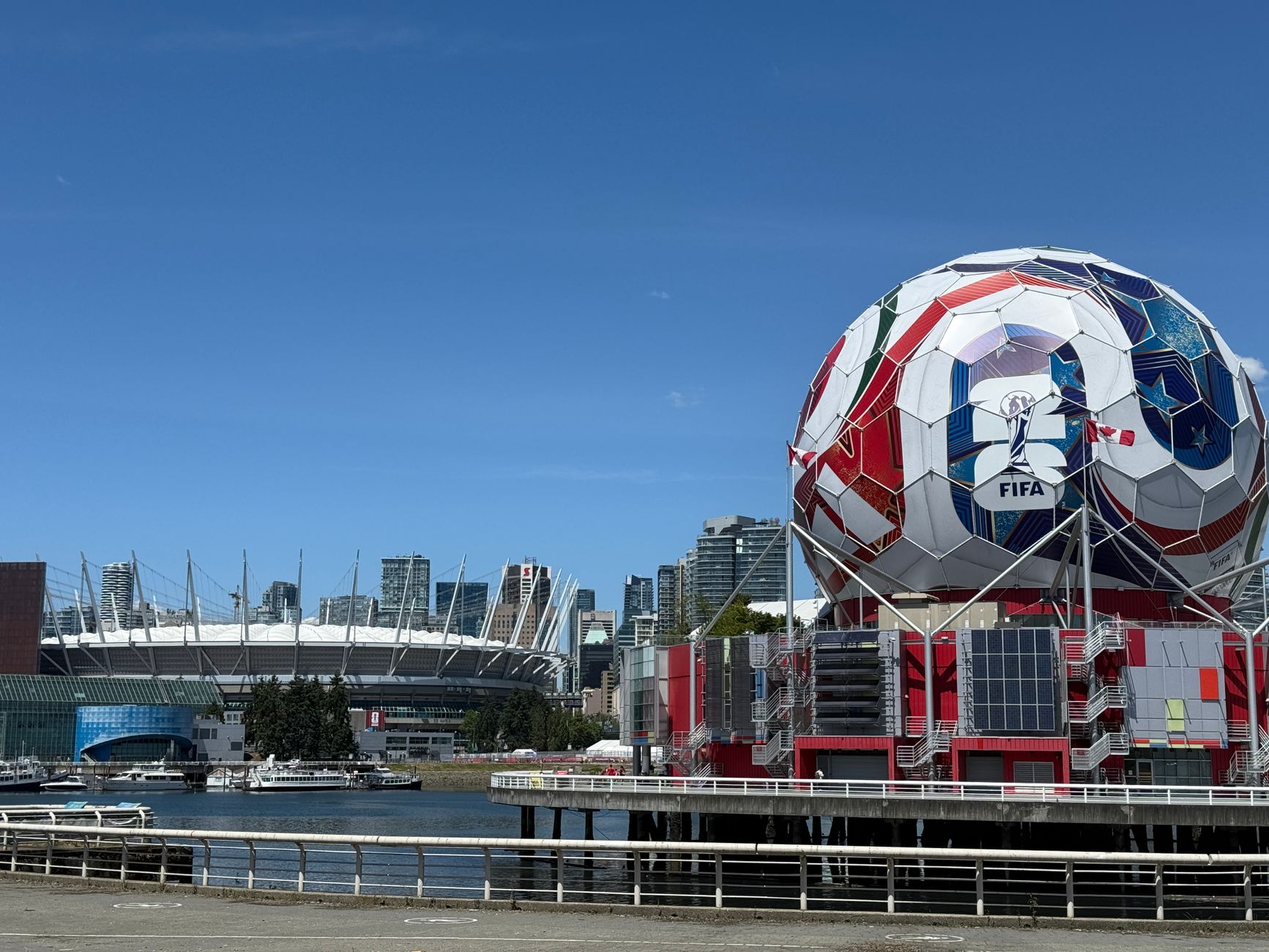
Photo by The Six on Pexels
What should supporters verify before trusting Premier League fixtures 2026?
Supporters should verify five items: the official release date, United Kingdom kickoff time, broadcast status, competition conflicts, and the fixture’s last update timestamp. These checks distinguish a confirmed match from an early schedule entry that may still move.
The first release usually provides the league pairing and initial date, not every final television detail. In England, broadcasters such as Sky Sports, TNT Sports, and the BBC influence coverage arrangements, while club websites often update supporters after the league confirms changes. Google’s match panel can be useful for quick checking, but it should not replace the club or Premier League source when travel or money is involved.
A particularly useful edge case concerns time zones. A fixture listed at 3:00 p.m. BST may appear as 10:00 a.m. Eastern Time in the United States during part of the season, but daylight-saving transitions can create different offsets. Fans in Toronto, New York, Los Angeles, or Mexico City should convert the date and time independently rather than trusting an automatically generated calendar entry.
For betting, avoid markets that depend on a fixture remaining unchanged when the match is vulnerable to cup postponement. A safer process is to compare confirmed status, rest days, expected lineups, and market liquidity before making a decision. You are not paid for clicking quickly; you are paid, metaphorically, for not making avoidable errors.
See the planning details before the schedule becomes crowded.
What changed for players in the 2026 schedule environment?
Players face a more complicated workload picture because the 2026 calendar joins Premier League football with World Cup travel, national-team training, commercial commitments, and an international transfer period. The direct impact will vary by player: a World Cup starter may arrive later and need managed minutes, while a non-selected squad player may receive an early-season opportunity.
The key measure is not simply the number of matches. It is the interval between matches, the distance travelled, the player’s position, and the number of high-intensity actions accumulated in previous games. A central midfielder covering 11 to 12 kilometres repeatedly may experience a different burden from a goalkeeper playing every minute. Data from UEFA’s club-competition regulations and calendar information helps explain why European fixtures are planned around recovery and competition windows, although Premier League clubs still apply their own sports-science models.
A 72-hour turnaround is a useful warning threshold, not a universal injury rule. If Club A plays on Sunday and again on Wednesday, its manager may rotate full-backs, wide forwards, or midfielders even when the table says the match is important. Conversely, a deep squad can reduce the performance penalty. This creates a contrarian point: early-season betting markets may overreact to World Cup absences while underpricing replacement players who have already completed a full preseason.
Monitor these indicators:
- Minutes played in the World Cup and knockout-stage progression.
- Return date to club training.
- Position-specific rotation risk.
- International travel distance and time-zone change.
- Number of days between Premier League fixtures.
- Confirmed versus probable starting status.
- Recent substitution patterns under the club manager.
Match Daily’s [Internal Link: player workload and injury statistics] is useful for separating a famous name from an actually available player. Reputation is expensive; minutes are evidence.
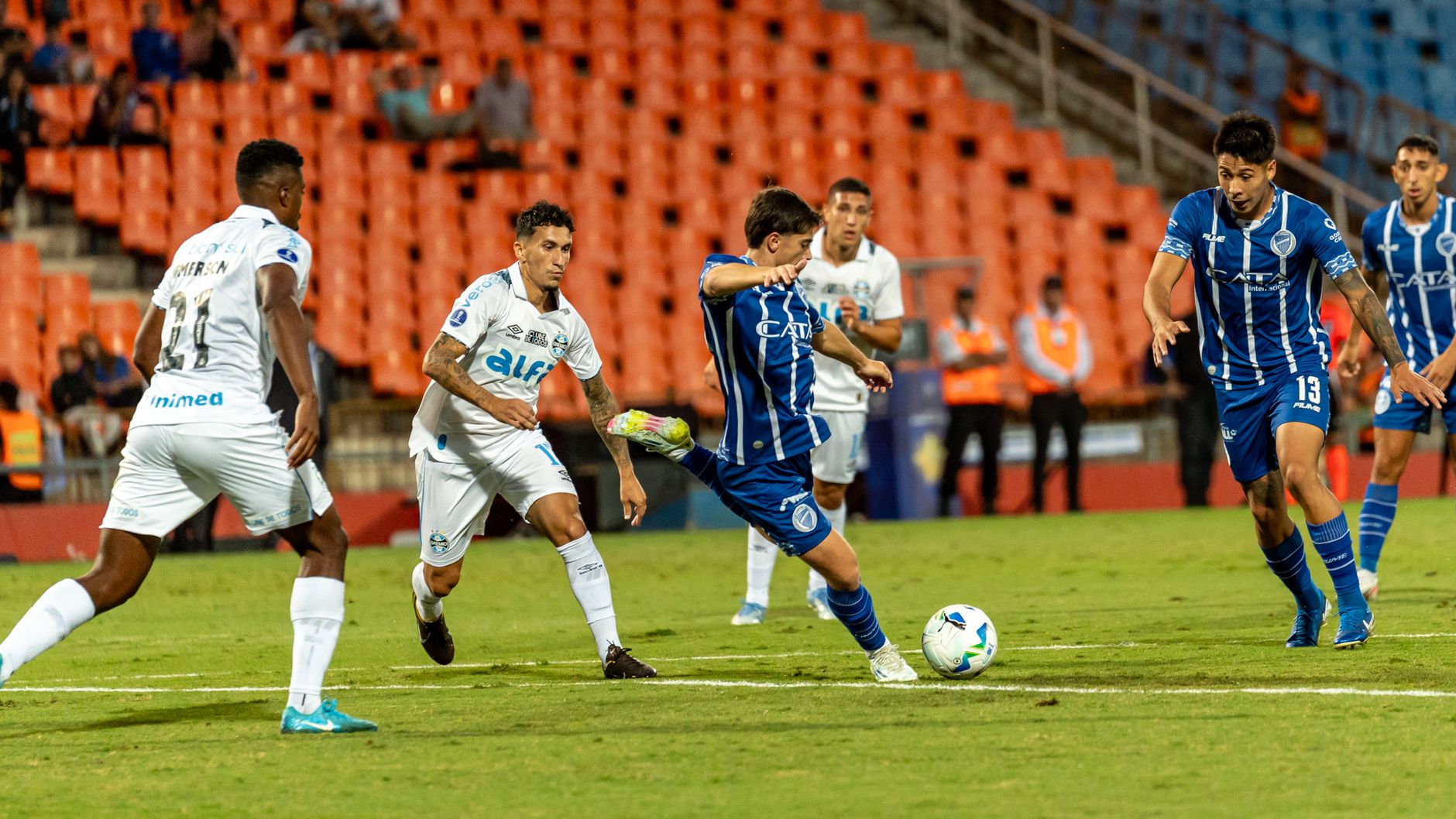
Photo by Franco Monsalvo on Pexels
How can clubs reduce the fixture burden?
Clubs can reduce fixture burden through squad rotation, controlled training loads, earlier rehabilitation, and tactical systems that limit unnecessary high-intensity running. The most effective approach is usually a combined plan rather than one rest day, because congestion affects preparation, travel, nutrition, and recovery together.
A club with a 25-player senior group has more options than one relying on 17 established professionals, but depth alone does not guarantee performance. The replacement player must understand the manager’s pressing triggers, build-up structure, defensive distances, and set-piece assignments. Arsenal, Manchester City, Liverpool, Manchester United, Chelsea, and Tottenham Hotspur may attract more attention, but their actual advantage depends on the quality gap between starters and substitutes.
There is also a financial calculation. If a club spends heavily on a reserve attacker who contributes only 600 league minutes, that signing may look inefficient in isolation. However, if those minutes cover six congested matches and preserve the starter for a decisive Champions League tie, the return can be strategic rather than visible in basic scoring totals. Data shows that squad value is often measured poorly when analysts count appearances but ignore when those appearances occurred.
Supporters should watch manager comments, training photos, official injury reports, and substitution trends. Do not treat every social-media rumour as equivalent evidence. A club medical update and an anonymous post are not two votes in a survey; one has a much stronger information source.
What does this mean now for fans and bettors?
Now, the correct approach is to treat Premier League fixtures 2026 as a live planning document rather than a permanent list. The schedule provides the matchups, but confirmed kickoff times, World Cup-related player availability, cup progress, injuries, and broadcast changes determine the practical value of each fixture.
For travel, reserve accommodation with flexible cancellation until the match time is confirmed. For fantasy football, avoid selecting a full starting XI from one club before reviewing international absences and opening-round rotation. For betting, compare the market price with rest-day data and expected availability, and set a fixed budget before the season begins.
A useful match file can contain only 10 columns:
- Fixture and venue.
- Initial date.
- Confirmed kickoff time.
- Broadcast provider.
- Days since previous match.
- Days until next match.
- International players affected.
- Injury and suspension notes.
- Expected rotation level.
- Closing-market movement.
That spreadsheet is more valuable than a glossy fixture graphic because it records changes. At the end of every month, calculate how many fixtures moved, how often your predicted lineup was correct, and whether short rest actually changed results. After 30 tracked matches, you will have a better personal evidence base than a confident pundit repeating historical clichés.
The responsible gambling point is equally direct. A fixture list can improve context, but it cannot remove variance; never stake money needed for rent, food, debt payments, or travel. Match Daily is an information source focused on FIFA World Cup coverage, predictions, tactics, and player statistics, not a guarantee of profit.
[Internal Link: responsible sports betting bankroll guide]
Is the early Premier League fixture list worth using?
The early fixture list is worth using for planning opponents, travel, squad depth, and broad scheduling patterns, but it is not sufficient for final betting or ticket decisions. Its value increases after official kickoff confirmations and verified player news are added.
This distinction saves money. Suppose an early list identifies a favourable run of five home-or-winnable fixtures, but two matches later move because of FA Cup commitments and one star forward misses four weeks. The original conclusion is no longer valid even though the fixture pairing has not changed. Treat the schedule as version 1.0, then update it after each confirmed alteration.
A simple confidence rating works well:
- High confidence: official date, time, venue, and broadcast confirmed.
- Medium confidence: official pairing and date published, but television selection pending.
- Low confidence: copied list, social post, or third-party calendar without update information.
This is an information-gain point most fixture pages omit: store the timestamp of every update. Without a timestamp, you cannot tell whether a “latest” schedule was updated yesterday or three months ago. That small operational habit prevents stale data from quietly entering your forecasts.
Get the schedule context and the broader 2026 tournament picture in one place.
Three predictions for next quarter
The next-quarter outlook is not a claim that exact Premier League fixture dates can be predicted before official publication. It is a probability-based view of what will matter most once the 2026–27 calendar becomes available: early rotation, rapid schedule revisions, and stronger demand for player-availability data.
First, clubs with major World Cup representation are likely to manage the opening weeks conservatively. Not every star will miss matches, but late returns and incomplete preseason preparation can produce reduced minutes rather than obvious absences. Second, high-profile fixtures involving Manchester City, Liverpool, Arsenal, Chelsea, Manchester United, or Tottenham Hotspur are likely to receive broadcast attention and therefore more time changes than low-profile matches.
Third, the best analytical edge may move away from headline team strength and toward confirmed lineups. A 2025–26 table position is useful historical context, but it cannot tell you whether a 2026 match features a rested first-choice midfield or a rotated unit after a European trip. Forecasting should therefore be updated at three checkpoints: fixture release, kickoff confirmation, and final team news.
Our working probabilities are deliberately cautious:
- 60% probability that major fixtures receive at least one practical update before kickoff.
- 55% probability that early-season World Cup returnees receive managed minutes.
- 70% probability that confirmed lineups create more useful information than preseason reputation.
- 100% probability that an unofficial screenshot becomes less reliable as the season develops.
Those figures are planning assumptions, not official Premier League statistics. The disciplined reader records outcomes and adjusts them instead of pretending a rough model is perfect. [Internal Link: 2026 World Cup team analysis and predictions] can help when national-team involvement directly affects club availability.
Which Premier League clubs could benefit most?
Clubs with deep, tactically compatible squads could benefit most, because they can replace returning World Cup players without changing their entire game model. The advantage is likely to be strongest during the first six to eight league rounds, when fitness, travel, and rotation decisions are still uneven.
That does not mean the richest club automatically wins every early-season matchup. A backup defender may be reliable in a low-block system but exposed when asked to defend 40 metres from goal. Likewise, a reserve winger may provide goals but weaken pressing coordination. The useful question is whether the replacement preserves the team’s tactical identity.
Measure the benefit using three indicators: points per 90 minutes with the substitute on the pitch, chance creation allowed during rotation matches, and the manager’s willingness to use that player in competitive fixtures. Basic transfer fees are a poor shortcut. A £30 million player who cannot reproduce the system may be less valuable than a £10 million squad member trusted in three positions.
For Match Daily readers, this is where player statistics and tactical reports become practical rather than decorative. Track the role, not only the name; track the minutes, not only the transfer price.
Frequently Asked Questions
Q: What are Premier League fixtures 2026?
A: Premier League fixtures 2026 generally refers to the 2026–27 English Premier League schedule. Each of the 20 clubs is expected to play 38 matches, producing 380 league fixtures across the season. The initial list normally includes opponents and provisional dates, while television selections, cup competitions, UEFA commitments, and stadium issues can change kickoff details. Use the official Premier League fixture page as the primary source and treat third-party calendars as secondary references.
Q: When will the 2026–27 Premier League fixtures be released?
A: The 2026–27 Premier League fixture list is expected to be released before the domestic season begins, with the exact publication date confirmed by the Premier League. The first release should show the league pairings and initial dates, but not necessarily every final broadcast time. Check PremierLeague.com, the relevant club website, and reputable broadcasters after publication. Save the release timestamp because older schedule pages can remain indexed and appear current when they are not.
Q: How do I check whether a Premier League fixture time is confirmed?
A: Check whether the Premier League or the club labels the date and kickoff as confirmed rather than provisional. Then verify the broadcaster, venue, and latest update on the official fixture page. A Saturday fixture can move because of Sky Sports, TNT Sports, FA Cup, EFL Cup, UEFA, policing, or stadium requirements. For travel, wait until the kickoff time is confirmed and choose refundable bookings where possible.
Q: What is the difference between a Premier League fixture and a confirmed kickoff?
A: A Premier League fixture identifies the two clubs and a scheduled match window, while a confirmed kickoff includes the final date and time approved for the event. The difference matters because television selections and competition congestion can move a match by one or more days. This distinction is especially important for visitors, fantasy managers, and bettors evaluating rest periods. Never calculate a precise 72-hour recovery gap from an unconfirmed date.
Q: Will the FIFA World Cup 2026 change Premier League fixtures?
A: The FIFA World Cup 2026 is unlikely to directly cancel the 2026–27 Premier League fixture list because the tournament runs from June 11 to July 19, 2026, before the expected domestic season. However, it can affect player recovery, preseason participation, transfer planning, and early-season selection. Players reaching the knockout stages may return later than teammates. Track national-team minutes and club training reports instead of assuming every international player has the same workload.
Q: How much does it cost to follow Premier League fixtures 2026?
A: Following the basic Premier League fixture list is free through PremierLeague.com and most club websites. Costs arise from tickets, travel, broadcasting subscriptions, fantasy products, or betting activity, and those prices vary by location and provider. In the United Kingdom, compare the current offers from Sky Sports, TNT Sports, and other authorised services rather than paying for duplicate packages. For betting, set a fixed bankroll and never use money needed for essential expenses.
Q: What should I do if a Premier League fixture changes after I place a bet?
A: Check the bookmaker’s settlement rules immediately because a postponed or rescheduled fixture may be void, carried forward, or settled under specific market conditions. Rules differ by provider and market type, so do not assume every bet receives identical treatment. Record the original kickoff, the new date, and the bookmaker’s published policy. If the change creates confusion, contact the operator before placing another wager and keep all confirmation emails.
The final takeaway is simple: Premier League fixtures 2026 are valuable only when their status, player availability, and surrounding competitions are tracked together. Start with the official 380-match framework, then update for television, FA Cup, EFL Cup, UEFA, World Cup recovery, and confirmed team news. Match Daily can help organise that wider analysis, but disciplined verification remains your responsibility.
Want the latest tournament-focused analysis and schedule context?
Thank you for reading.
Match Daily · Archive