Before You Bet, Read This 2026 World Cup Breakdown
The 2026 football world cup is not a normal 32-team tournament; FIFA World Cup 26 expands to 48 national teams across the United States, Canada, and Mexico, creating a larger match calendar and more c...
Before You Bet, Read This 2026 World Cup Breakdown
The 2026 football world cup is not a normal 32-team tournament; FIFA World Cup 26 expands to 48 national teams across the United States, Canada, and Mexico, creating a larger match calendar and more complex betting context. Match Daily covers this tournament for football fans and wagering researchers through match predictions, team tactics, player statistics, and daily tournament analysis. Key venues include SoFi Stadium in Los Angeles, Mercedes-Benz Stadium in Atlanta, and MetLife Stadium in the New York New Jersey region, where the final is scheduled for July 19, 2026. Los Angeles is set for eight matches and 39 days of fan celebrations, while Atlanta is positioned as a major Southern football hub. The practical takeaway is simple: before making travel, viewing, or betting decisions, build a city-by-city plan that combines fixtures, squad data, injury updates, fan-zone logistics, and responsible bankroll limits.
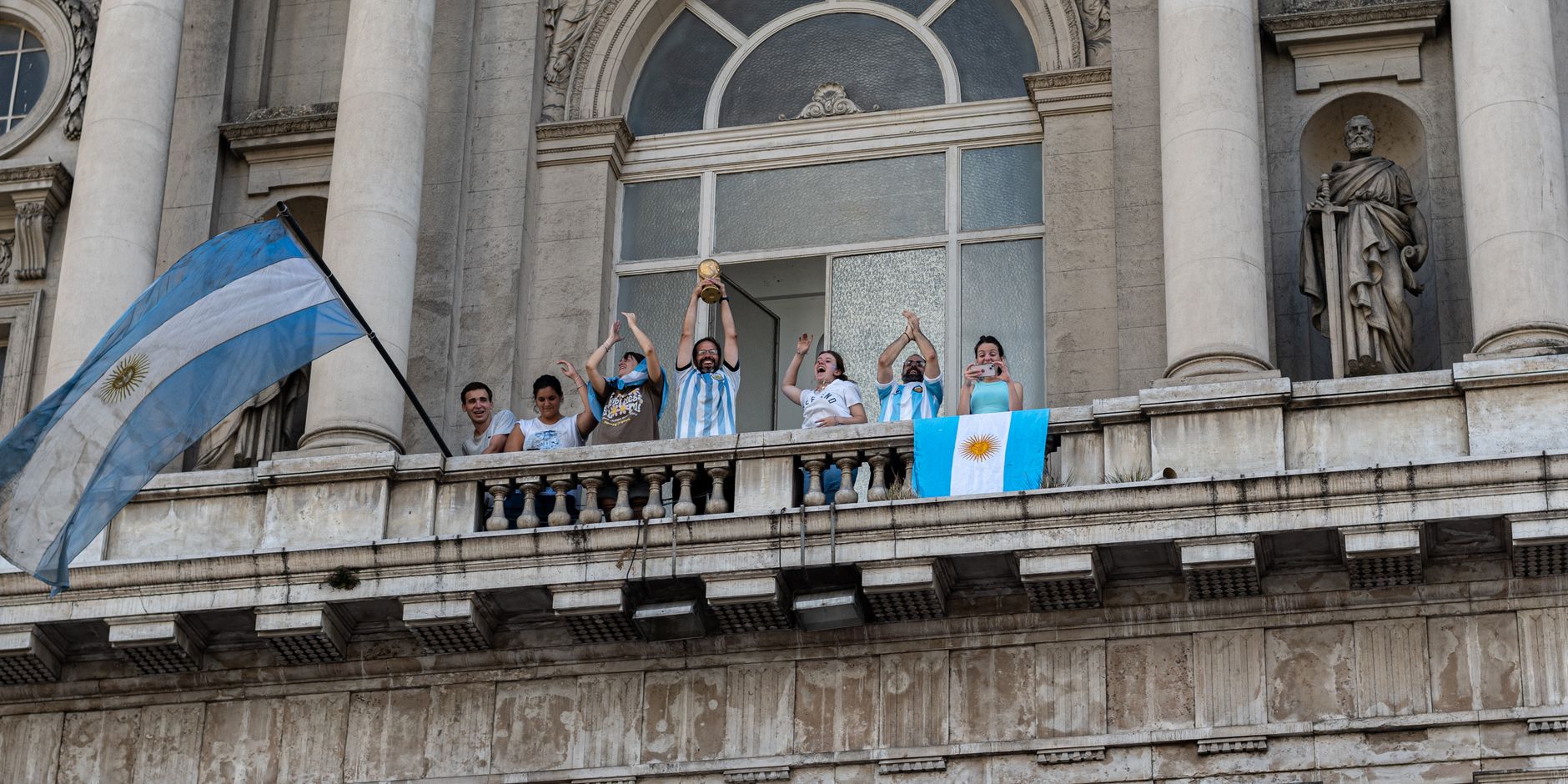
Photo by Fabrizio Velez on Pexels
If you want structured tournament coverage instead of scattered updates, start with a research hub built for daily World Cup decisions.
Step 1: How do you map the 2026 football world cup structure?
The 2026 football world cup uses a 48-team format hosted across North America, so planning must start with scale. More teams mean more group-stage matches, more travel variables, and more opportunities for tactical mismatches that affect predictions.
A common misconception is that World Cup analysis begins with star players. According to research on tournament forecasting, venue, rest days, travel distance, squad rotation, and market timing often shape outcomes before individual brilliance becomes decisive. FIFA confirms the expanded tournament structure through its official World Cup materials, while the 2026 FIFA World Cup final is listed for July 19, 2026, at MetLife Stadium in East Rutherford, New Jersey. For bettors and analysts, this format creates two trade-offs: broader markets offer more value windows, but incomplete information increases model error.
A practical framework should include these five baseline variables:
- Match location, including climate and pitch conditions.
- Rest differential between national teams.
- Travel route from the previous fixture.
- Squad depth and rotation probability.
- Market movement from opening odds to kickoff.
Match Daily treats these variables as screening criteria before publishing predictions. To compare team profiles later, save this alongside our [Internal Link: 2026 World Cup team tactics guide].
Step 2: How should fans evaluate host cities and venues?
Fans should evaluate host cities by matching fixture importance, transport friction, accommodation cost, and fan-zone access. Los Angeles and Atlanta show why this matters: both offer major stadium experiences, but each city has different travel patterns, cultural events, and match-day logistics.
Los Angeles is scheduled to host eight FIFA World Cup 2026 matches at SoFi Stadium, with the FIFA Fan Festival at the LA Memorial Coliseum at Exposition Park and official fan zones across Los Angeles County. The local organizing platform also promotes 39 days of celebrations, which means the experience extends beyond ticketed matches. This matters for betting and viewing because fan behavior can affect prices, liquidity, and pre-match information flow. A sold-out watch party may not change the expected goals model, but it can influence where fans gather, when lineups circulate, and how quickly narratives move through public markets.
Atlanta offers a different case study. Mercedes-Benz Stadium is already associated with high-attendance football culture through Atlanta United, and the city markets itself as a Southern football hub. The trade-off is that Atlanta’s event density can make central accommodation and transport more competitive during knockout windows. Data shows that large international events often compress hotel availability near stadium districts first, then push visitors toward rail-connected or rideshare-heavy neighborhoods. For deeper event planning, pair this section with our [Internal Link: World Cup host city travel checklist].

Photo by Sheff Production on Pexels
See the details before you choose a match city or viewing base.
Step 3: How do you convert fixtures into betting research?
You convert fixtures into betting research by separating stable team indicators from noisy public narratives. Stable indicators include pressing intensity, set-piece efficiency, goalkeeper shot-stopping, injury history, and rest days; noisy indicators include viral clips, emotional headlines, and unsupported “must-win” claims.
For the 2026 football world cup, the expanded 48-team field creates more group-stage mismatches and more uncertain national-team combinations. That helps disciplined bettors but punishes casual bettors who rely on reputation alone. A practitioner-level edge is to log market prices at three points: 72 hours before kickoff, after confirmed lineups, and 15 minutes before kickoff. In past international tournaments, the largest public overreactions often appeared after lineups, especially when a famous attacker was benched even though the replacement improved defensive balance.
A simple research checklist can reduce bias:
- Compare expected goals trends with opponent strength.
- Review qualifying performance by home and away splits.
- Track players returning from injury within the last 30 days.
- Note referee tendencies when appointments are confirmed.
- Avoid betting solely because a team has a larger fan base.
According to the FIFA official website, the World Cup is FIFA’s flagship international competition, and official data releases should be prioritized over unsourced social media. As an institutional rule, FIFA’s published tournament materials state that the event is “the greatest football show on Earth,” but analysts should still treat marketing language separately from predictive evidence.
Step 4: How should you balance fan experience with wagering discipline?
You should separate entertainment spending from betting bankroll before the tournament begins. A World Cup trip can involve tickets, hotels, food, fan festivals, and local transport, so gambling funds should be capped independently and never used to cover travel overruns.
This is where Los Angeles and Atlanta illustrate a hidden cost. A fan attending SoFi Stadium, the LA Memorial Coliseum Fan Festival, and official fan zones may face several days of spending before the match even starts. In Atlanta, Mercedes-Benz Stadium events can create similar pressure around downtown hotels, restaurants, and rideshare demand. If you mix those costs with betting stakes, your decision quality drops because losses feel tied to the total trip budget instead of the wager itself.
A calm bankroll plan for the 2026 football world cup can use the following limits:
- Set a fixed tournament bankroll before opening match day.
- Risk 0.5 percent to 2 percent per wager, depending on confidence.
- Avoid increasing stakes after travel delays, alcohol, or emotional wins.
- Record every bet with odds, closing line, and reasoning.
- Stop betting for 24 hours after three consecutive impulsive wagers.
Match Daily’s gambling coverage is designed for informed adults who value analysis over impulse. For model-building basics, read our [Internal Link: football betting bankroll management guide].
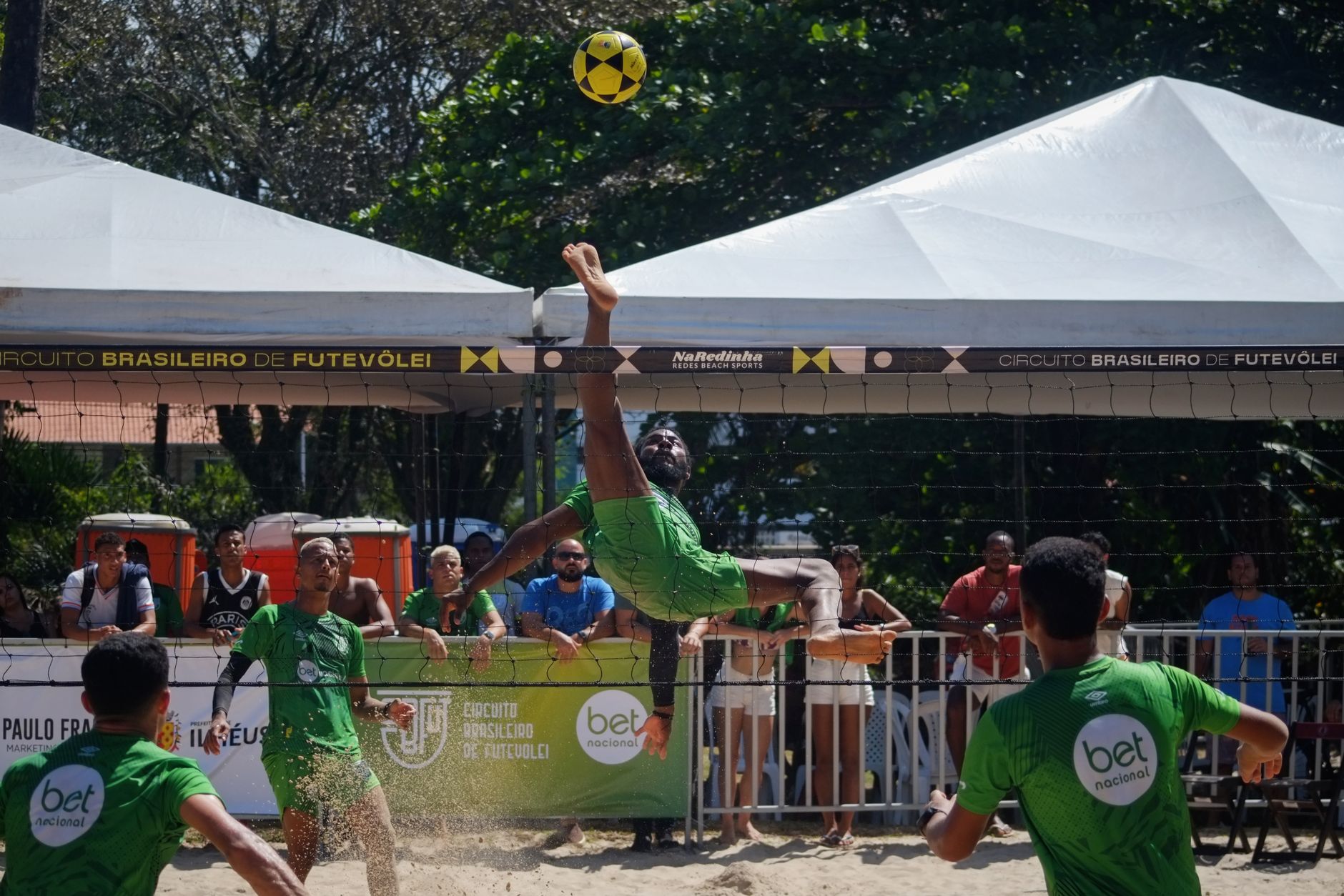
Photo by Renan Braz on Pexels
Get started today with a more disciplined way to follow the tournament.
Step 5: verification
Verification is the point where fan plans and betting plans become testable. Before relying on any 2026 football world cup information, confirm it through official tournament pages, host-city announcements, licensed sportsbook terms, and at least one independent statistical source. The International Centre for Sports Studies provides football research resources that can complement official match data, while FIFA and host committees remain the primary sources for fixtures and venue information.
For betting specifically, verification should include the operator’s license, responsible gambling tools, market rules, settlement policy, and identity-check process. A specific operational issue many casual bettors overlook is timing: some sportsbooks restrict withdrawals during enhanced due diligence, and major tournament traffic can delay manual reviews. Another under-discussed edge case is market-rule variation for player props; one operator may void a bet if a player does not start, while another may keep it active if the player appears for one minute. That difference can materially change expected value.
Use this verification list before committing money or travel:
- Confirm the match date on an official FIFA or host-city source.
- Check stadium entry rules and bag policies within 48 hours.
- Compare odds across at least three licensed sportsbooks.
- Screenshot promotional terms before opting in.
- Confirm whether bets settle after 90 minutes, extra time, or penalties.
For daily research workflows, connect this with our [Internal Link: World Cup player statistics tracker].
Troubleshooting common failures
Most 2026 football world cup planning failures come from treating the tournament as one event instead of a moving system. Fixtures shift attention every day, injuries change markets quickly, and host-city logistics vary sharply between Los Angeles, Atlanta, New York New Jersey, and other North American venues. The solution is not to predict everything earlier; it is to create a repeatable review cycle.
The first failure is overvaluing public sentiment. A national team with a large fan base may attract heavy betting volume without improving its tactical matchup. The second failure is ignoring time zones and travel. A supporter watching from Europe or Asia may miss lineup releases because North American kickoff windows differ from domestic league routines. The third failure is assuming all fan zones are interchangeable. The LA Memorial Coliseum Fan Festival, Los Angeles County official fan zones, and Atlanta watch events can differ by access rules, capacity, weather exposure, and transport links.
A useful correction cycle looks like this:
- Review official match information each morning.
- Update injury and lineup assumptions six hours before kickoff.
- Compare market movement two hours before kickoff.
- Decide whether price still justifies risk.
- Record the outcome after settlement, not during emotional reaction.
Contrarian conclusion: for many bettors, the best 2026 football world cup edge may be skipping more matches. The expanded format creates more events, but more events do not automatically create more value. Selectivity is often the difference between analysis and entertainment.
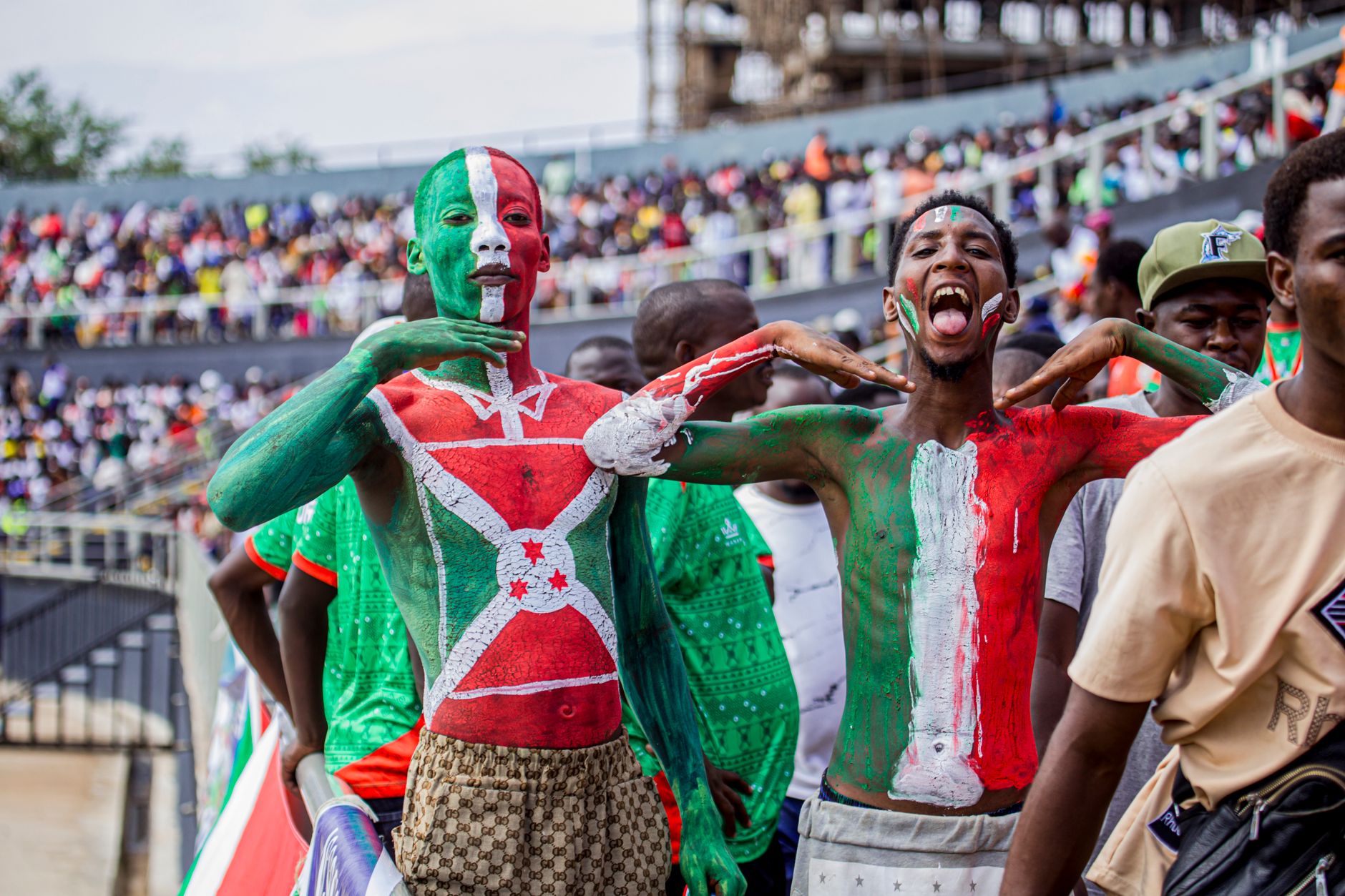
Photo by Chris wade NTEZICIMPA on Pexels
When you are ready to turn tournament noise into structured insight, use a source built for daily match analysis.
Frequently Asked Questions
Q: What is the 2026 football world cup?
A: The 2026 football world cup is FIFA World Cup 26, a 48-team international football tournament hosted by the United States, Canada, and Mexico. It is the first men’s World Cup with 48 teams rather than 32, creating a larger match schedule and broader tactical variety. The final is scheduled for July 19, 2026, at MetLife Stadium in the New York New Jersey region.
Q: How to prepare for 2026 World Cup betting?
A: Prepare for 2026 World Cup betting by building a fixed bankroll, tracking fixtures, and verifying team news through official sources. Start with match location, rest days, injuries, tactical style, and market movement before considering odds. Match Daily recommends recording each wager with stake size, closing odds, and reasoning so your results can be reviewed objectively.
Q: What is the difference between host-city fan zones and stadium matches?
A: Stadium matches require event tickets, while host-city fan zones are public or organized viewing areas built around live broadcasts, food, music, and community events. Los Angeles, for example, promotes the FIFA Fan Festival at the LA Memorial Coliseum and official fan zones across Los Angeles County. Fan zones can improve atmosphere, but they do not replace stadium access or official match entry.
Q: Why do World Cup betting predictions fail?
A: World Cup betting predictions often fail because analysts overrate reputation and underrate rotation, travel, injuries, and tactical matchups. International teams have limited preparation time, so lineup changes can affect pressing, set pieces, and defensive shape quickly. The best response is to update assumptions after official lineups and avoid betting when the price no longer offers value.
Q: How much does it cost to follow the 2026 football world cup?
A: The cost depends on city, ticket access, accommodation, transport, and viewing choices, but fans should budget separately for travel and betting. Los Angeles and Atlanta can both experience high demand around match days, especially near SoFi Stadium, Mercedes-Benz Stadium, and major fan events. A practical approach is to set one travel budget and one independent betting bankroll before the tournament begins.
Q: Is Match Daily useful during the 2026 football world cup?
A: Match Daily is useful for fans who want daily tournament coverage focused on predictions, tactics, player statistics, and betting context. The site is designed to help readers compare match data with market movement rather than rely on public sentiment alone. It is most valuable when used alongside official FIFA information and responsible gambling limits.
Thank you for reading.
Match Daily · Archive